AI SEO Nashville: What AEO Can Realistically Do
Answer Engine Optimization (AEO) is the practice of structuring your website and information so AI answer engines — ChatGPT, Perplexity, Google AI Overviews, and Gemini — can quote your business in their responses. For a Nashville business today, AEO can realistically improve whether you get mentioned in AI answers. It cannot guarantee rankings, traffic, or leads, and it takes months, not days.
That's the honest version. Below is what's working right now, what still takes time, and how to think about it without the hype.
How do you actually appear in ChatGPT, Perplexity, and Google AI Overviews?
AI answer engines assemble responses from sources they can read, trust, and extract cleanly. Google AI Overviews now appear across U.S. search, and Perplexity and ChatGPT both show inline citations — meaning the pages they quote are visible, and being one of them is a real (if unpredictable) source of visibility. You raise your odds of being cited — not guaranteed, raise the odds — with a few concrete moves:
- Answer the question in the first 50 words of the page. Engines lift self-contained passages. Lead with the answer, then explain.
- Write extractable ~150-word passages under headers phrased as the real questions people ask.
- Add structured data (Schema.org). Google's own documentation confirms structured data helps its systems understand a page's content (Google Search Central, developers.google.com/search/docs/appearance/structured-data).
- Keep facts sourced and current. Perplexity and Google AI Overviews both surface citations; pages that cite reputable sources and stay updated read as more trustworthy.
- Build real local presence on the surfaces AI reads for local intent — your Google Business Profile, a consistent name/address/phone, and legitimate reviews.
Note what's not on this list: tricks. There is no submit-your-URL shortcut into ChatGPT's answers, and no vendor can "add" you to an AI engine's index on demand.

Do Nashville businesses need AI SEO and traditional SEO?
Short answer: yes — and they're not separate projects. Traditional SEO (a fast, crawlable site, local keywords, a complete Google Business Profile, real reviews) is what earns the map pack and organic clicks that still drive most local calls. AEO builds on that same foundation: the answer-first content and clean structured data that help you rank are exactly what make your pages easy for an AI engine to quote. You don't trade one for the other. You do the durable SEO work, then structure it so both a search result and an AI answer can use it. For most Nashville owners the mistake isn't picking the wrong one — it's chasing AI visibility on a site that isn't technically sound enough to be read in the first place.
What schema should a Nashville business use to get pulled into AI answers?
Structured data tells engines exactly what your page is. Match the schema type to your Nashville niche:
| Nashville business type | Priority schema | What it helps an AI answer |
|---|---|---|
| Broadway bar / live-music venue | LocalBusiness, Event, Menu |
Hours, tonight's lineup, location |
| Hot chicken / restaurant | Restaurant, Menu, Review |
Dishes, price range, ratings |
| Health & wellness clinic | MedicalBusiness, FAQPage |
Services, insurance, common questions |
| Home services (HVAC, roofing) | LocalBusiness, Service, AggregateRating |
Service area, offerings |
| Professional services / agency | Organization, FAQPage, Service |
Expertise, service definitions |
FAQPage and LocalBusiness schema, implemented honestly (mark up only content actually on the page — a Google requirement per its structured-data guidelines), give engines clean, quotable facts about who you are and where you serve. One caution: Google narrowed which sites show FAQ rich results in search, so treat schema as machine-readability for engines and AI systems, not a guaranteed visual snippet.
What ROI and timeline is realistic for local AI SEO?
Realistic, not rosy: AEO and traditional local SEO compound — they aren't instant. New content and schema typically need to be crawled, indexed, and re-evaluated before you see movement, and competitive local phrases take longer. Treat the first few months as foundation — fixing crawlability, publishing answer-first content, cleaning up your Google Business Profile — and measure visibility signals (impressions, being cited in AI answers, branded search) rather than promising a lead count.
The honest comparison:
- Traditional local SEO still drives the map pack and organic clicks — it's not going away.
- AEO is additive: it positions you to be mentioned when someone asks an AI engine a question in your category.
Anyone guaranteeing #1 rankings or a specific lead number is selling hype. Visibility you can influence; the click and the guarantee you cannot.
The bottom line for Nashville owners
AEO is worth doing now — the AI answer surfaces are real and growing. But it's an odds-improving, compounding investment in visibility, not a switch you flip. Build answer-first pages, add honest schema for your niche, keep your local profiles clean, and measure whether you're getting mentioned. That's the realistic win.
If you'd rather not sort the working moves from the hype yourself, the practical first step is a visibility audit: a look at how your site currently reads to AI engines, what schema is missing, and where your Google Business Profile has gaps. Akira Web Solutions runs that audit for Nashville businesses — a no-obligation starting point, not a rankings promise. Get your free AI visibility audit for a plain-English picture of where you stand.
Frequently asked
- What is Answer Engine Optimization (AEO)?
- AEO is structuring your website and information so AI answer engines — ChatGPT, Perplexity, Google AI Overviews, and Gemini — can read, trust, and quote your business when someone asks a question in your category. For a local business it's about improving whether you get mentioned in AI answers; it does not guarantee rankings, traffic, or leads.
- Can AI SEO guarantee my Nashville business ranks #1 or gets more leads?
- No. Anyone promising guaranteed rankings, traffic, or a lead count is overselling. AEO and SEO improve your visibility — whether you get mentioned or found — but the click and the guarantee are outside anyone's control. We optimize the odds you're cited, not outcomes we can't promise.
- How long before AI SEO shows results for a local business?
- Plan on months, not days. New content and schema must be crawled, indexed, and re-evaluated, and competitive local phrases take longer. Treat the early months as foundation work and measure visibility signals like impressions and AI citations rather than expecting instant leads.
- What structured data should a Nashville restaurant or venue use?
- Restaurants benefit from Restaurant, Menu, and Review schema; live-music venues from LocalBusiness and Event schema. Per Google Search Central, only mark up content actually on the page. This gives AI engines clean, quotable facts about your hours, offerings, and location.
- How do I know if my site is even being read by AI engines?
- Start with a visibility audit: check whether your key pages open with a self-contained answer, whether valid schema is present, and whether your Google Business Profile is complete and consistent. These are the signals AI engines rely on to read, trust, and quote a local business — Akira Web Solutions can run that audit as a no-obligation first step.
Written by
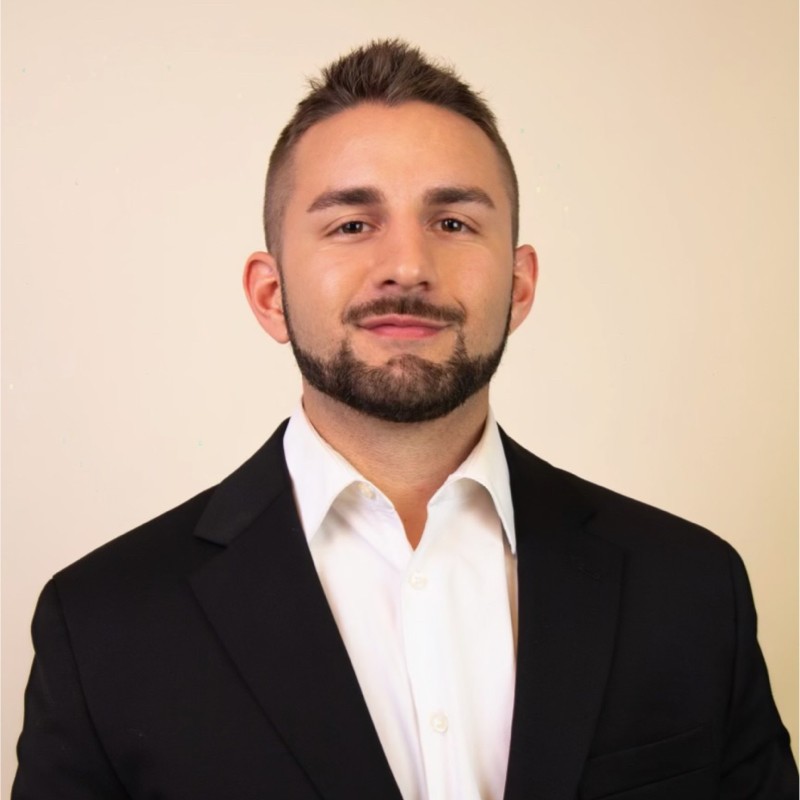
Ryan Hood
Founder, Akira Web Solutions
Founder of Akira Web Solutions, the Nashville company building custom AI systems for small businesses.
More about Akira →